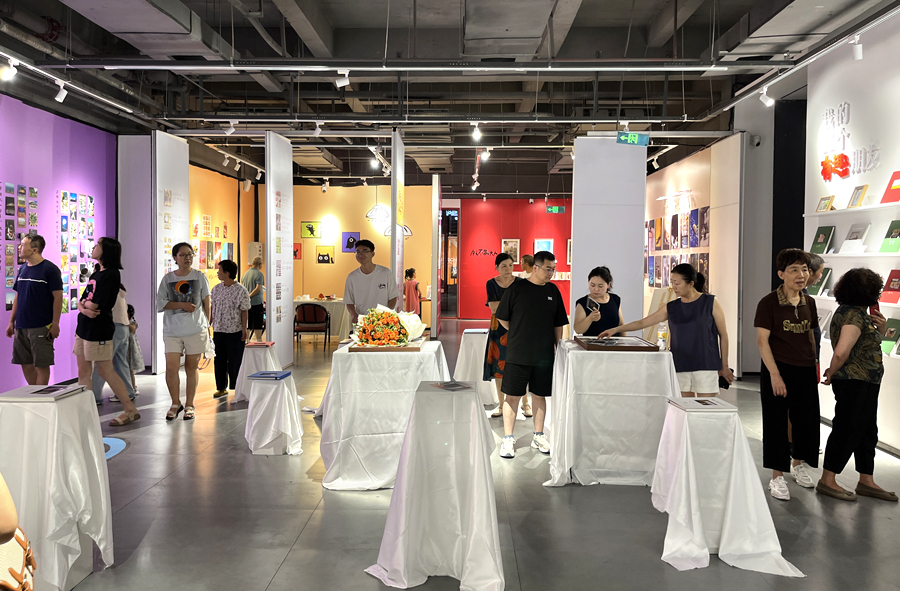
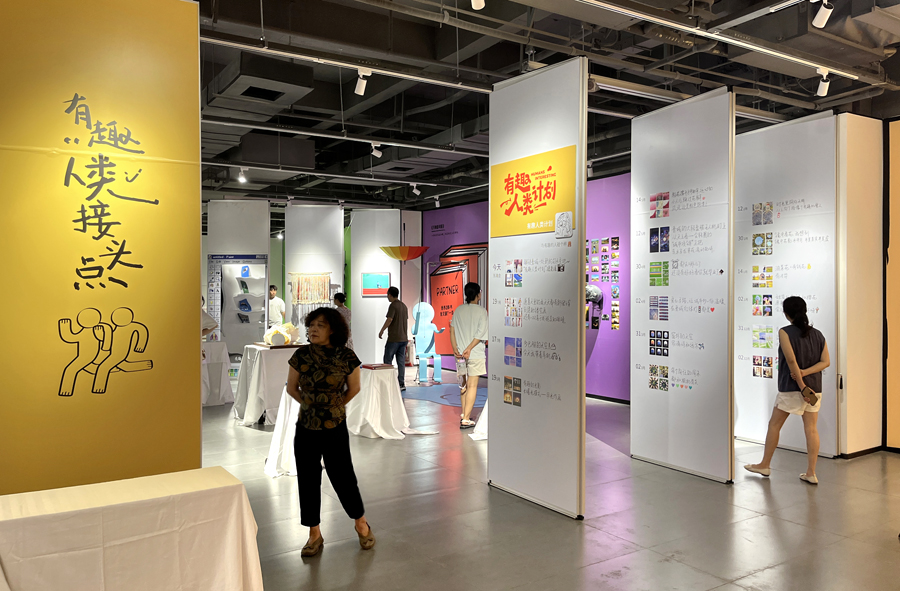
Jincheng News, Yellow River News Network (Reporter Song Yueting) — The “Interesting Humans Project” photography exhibition recently opened at Dongtan Hall in Jincheng.
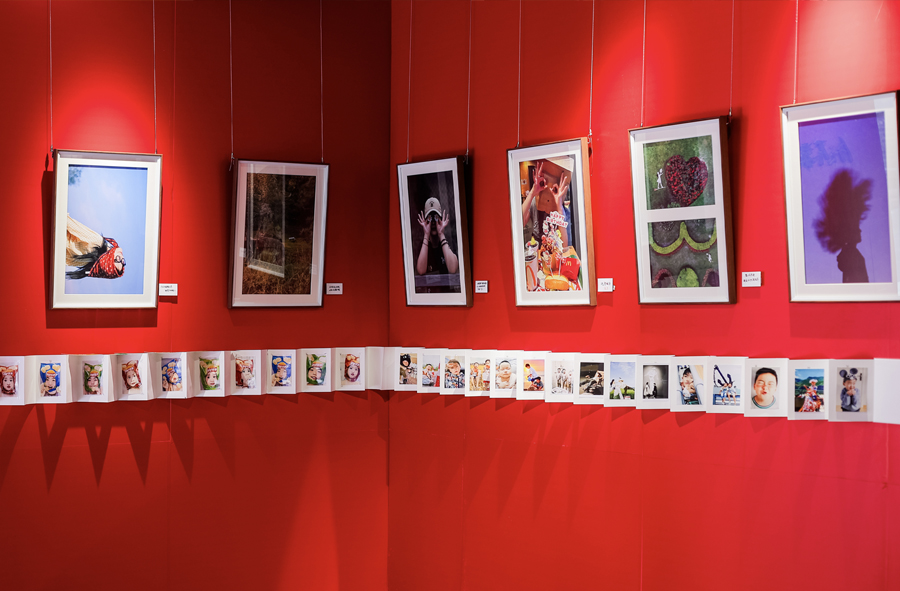
Centered on the theme “Capturing the Sparkle in the Ordinary, Freezing Life's Amusing Moments,” the exhibition showcases over a hundred exquisite works. Through innovative displays, integration of local culture, and interactive experiences, it creates a visually stunning feast blending artistry and audience participation. This event serves as a vital platform for showcasing contemporary life and bridging the public with photographic art.
Installation Art Meets Photography: Breaking Exhibition Boundaries
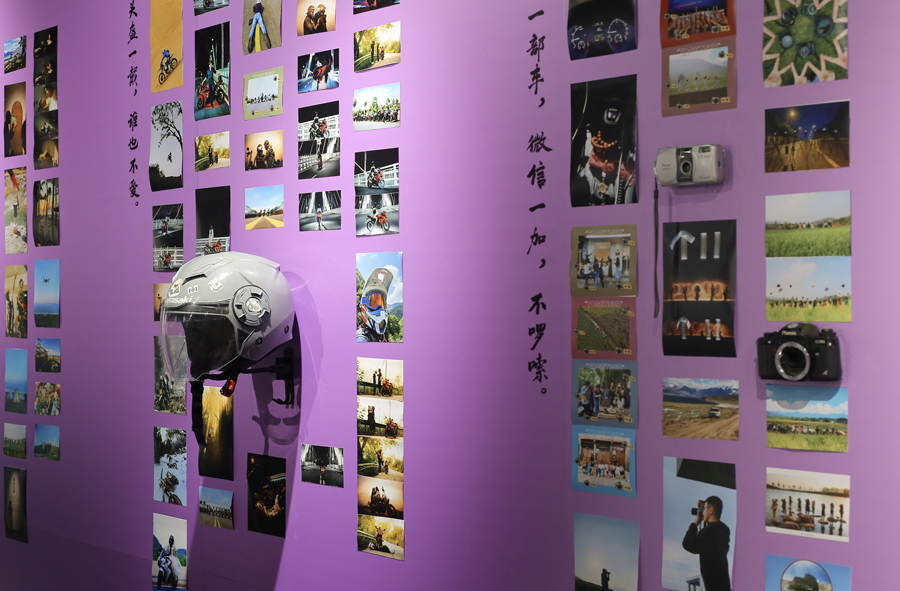
Departing from the conventional model of “works on walls, viewers observing quietly,” this exhibition breaks with tradition by juxtaposing installation art with photographic works, constructing a multidimensional viewing space. Before a series of photographs documenting urban cyclists, the curatorial team displayed cycling helmets, worn bicycle bells, and faded cycling gloves. These objects bearing traces of use resonate with the cyclists' silhouettes pedaling against the wind in the photographs. As visitors trace the scratches on the helmets, they seem to hear the crisp ring of bicycle bells echoing through the streets depicted in the images, instantly bridging the gap between themselves and the artworks.
Beside images capturing sunset skies, a light installation simulating northern sunsets slowly transformed—warm orange halos spilled from the apparatus, blending with the dusk hues in the photographs. Standing beneath this light, visitors could both admire the frozen beauty of the setting sun in the images and personally feel the warmth of the fading sunlight, as if immersed in the twilight scenes depicted.
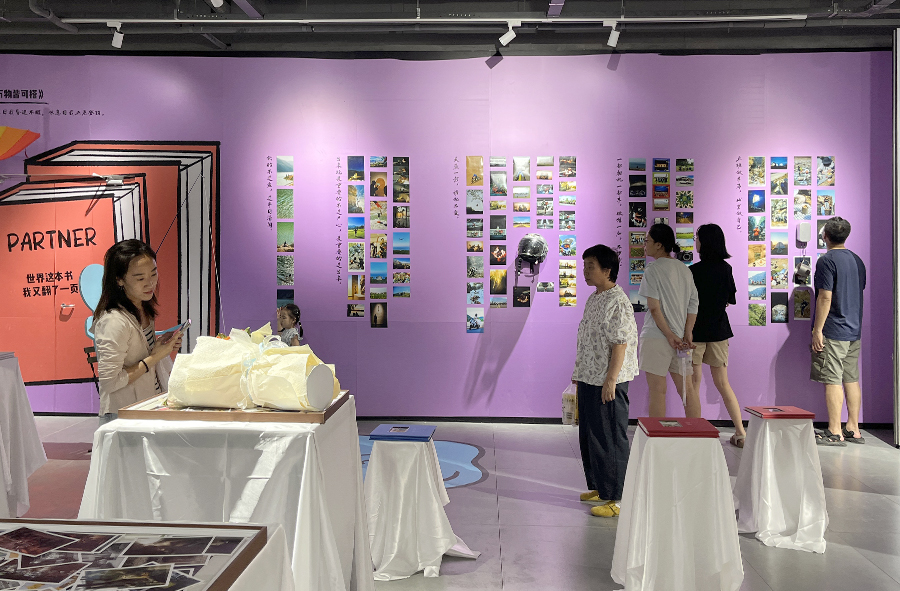
This multidimensional combination of “image + physical object + scene” breaks the boundaries of traditional photography exhibitions, transforming the viewing experience from “distant appreciation” to “immersive engagement.” Through the interplay of sight, touch, and imagination, visitors uncover the stories and warmth hidden within each piece.
Integrating Local Culture: Enabling the Exhibition to “Dialogue” with the City
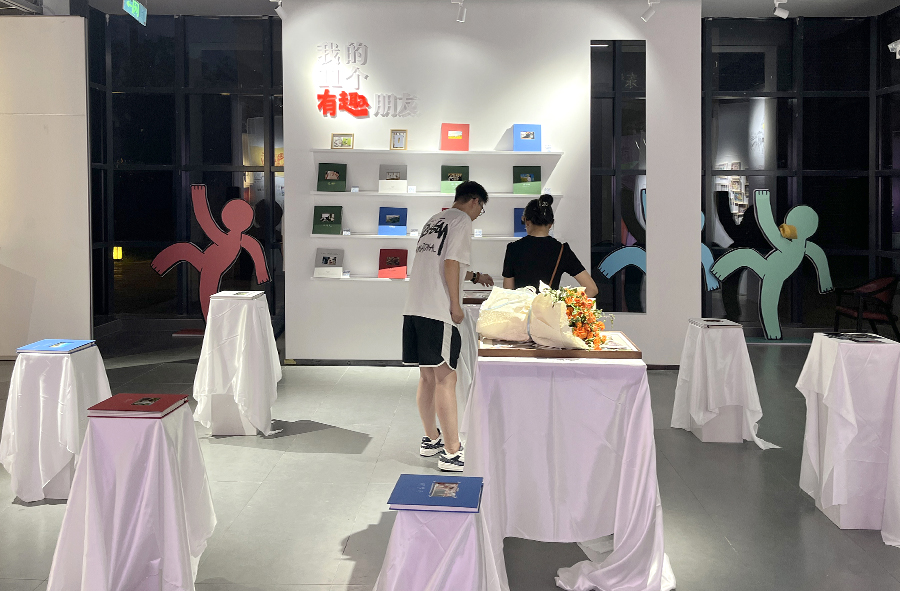
This exhibition uniquely incorporates local Jincheng elements, deeply intertwining photographic art with urban memory to become a vivid window showcasing the city's character.
In the “Flowery Jincheng: Blooming Thoughts” section, lenses capture the city's natural spirit: photographs of blooming zinnia at Longma Lake, wax-flower blossoms at Zezhou Park, and graceful lotuses at Danhe Wetland resonate with Jincheng's “International Garden City” title, vividly showcasing the city's pursuit and preservation of ecological beauty.
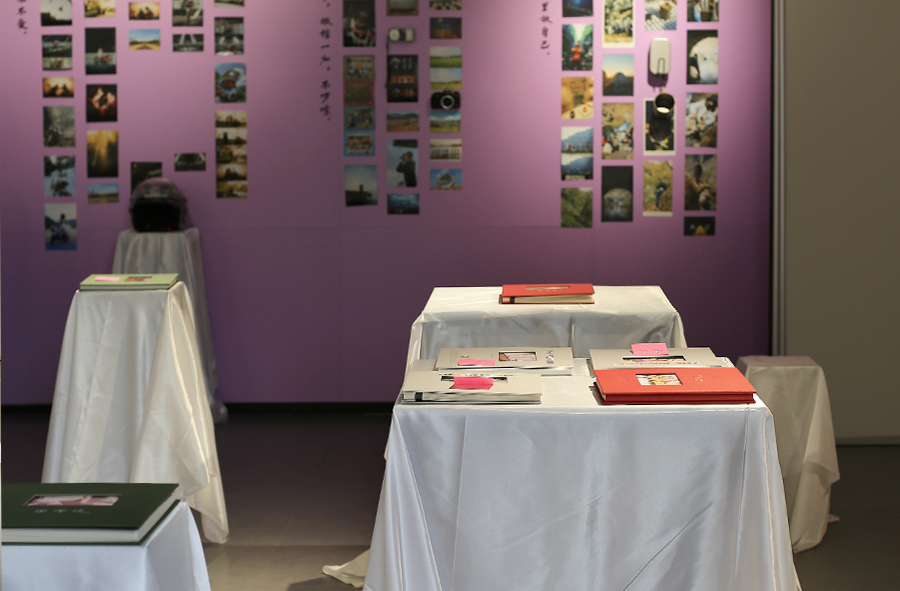
At the central display stand, hundreds of Jincheng-themed postcards—featuring the billowing sea of clouds at Wangmangling, the dazzling iron flowers at Sitou Town, and the shimmering waters of Qinshui River—complement the surrounding photographs depicting the “interesting humans” and their daily lives. Visitors can pick up a postcard to appreciate Jincheng's scenic beauty through its landscapes, while also experiencing the city's unique charm through snapshots of its residents' daily lives. This creates a distinctive dialogue between “scenic beauty” and “lifestyle charm” that is uniquely Jincheng.
Maximizing Immersion: Visitors Become “Exhibitors”
The exhibition features multiple immersive interactive segments, transforming visitors from “spectators” into ‘participants’ and deeply engaging them in this “amusing” visual feast.
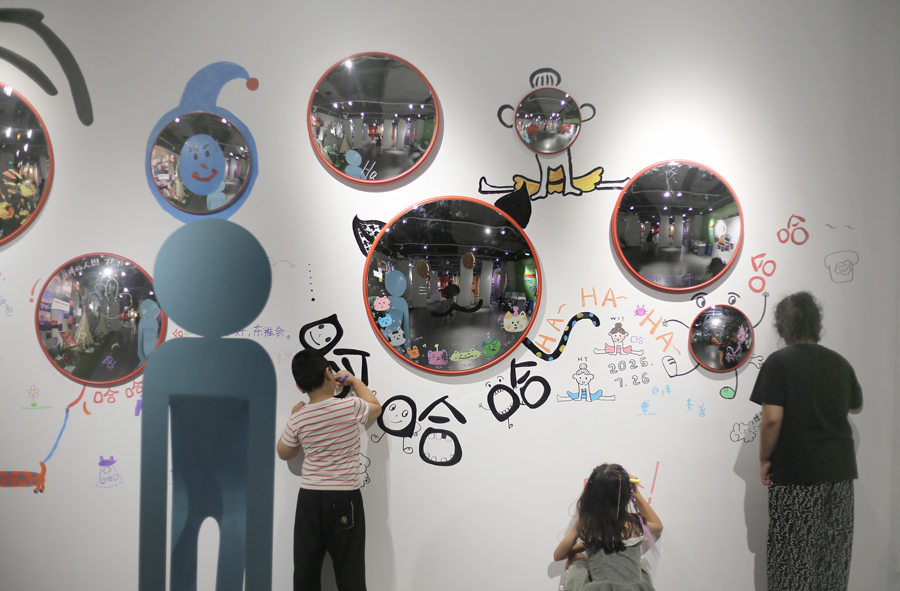
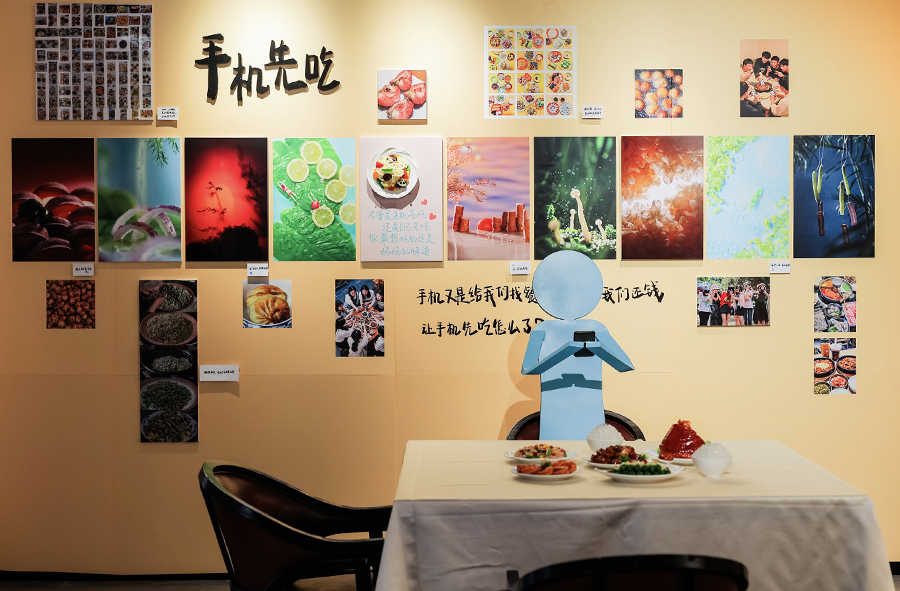
At the “Distorted Funhouse Mirrors” wall, several uniquely shaped mirrors are cleverly positioned behind the exhibition area. As visitors pass by, the mirrors reflect distorted, elongated, or rounded silhouettes—creating a charming contrast with the real figures in the photographs. This playful effect draws crowds to pause, snap photos, and share laughter. The “Paper Cutout Interaction Zone” features several life-sized cartoon paper cutout installations creating whimsical scenes. Visitors freely join in—sitting beside a paper cutout angler holding a prop fishing rod, they feel like they're waiting by the river with a “fishing buddy” for a bite; or gathering around a table to “share” a feast with the paper cutouts. Additionally, the message wall became an emotional confessional for visitors. Blank spaces were covered in colorful sticky notes: one read, “Had a virtual family meal at the paper figures' table—reminded me of Grandma's cooking,” brimming with warmth; others drew distorted reflections of themselves in a funhouse mirror, captioning it “Who knew fun could be this simple”; while some recorded exhibition-inspired resolutions, like “Moved by the cycling photos, I'm buying a bike tomorrow.” These spontaneous words and doodles mirrored the life scenes in the photographs, transforming the exhibition from a visual feast into a collective resonance about “fun.”
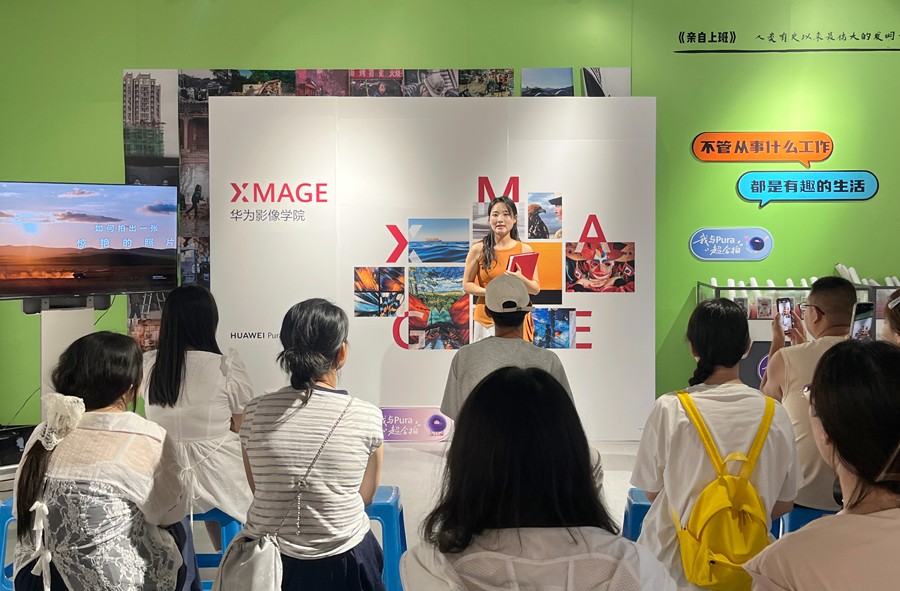
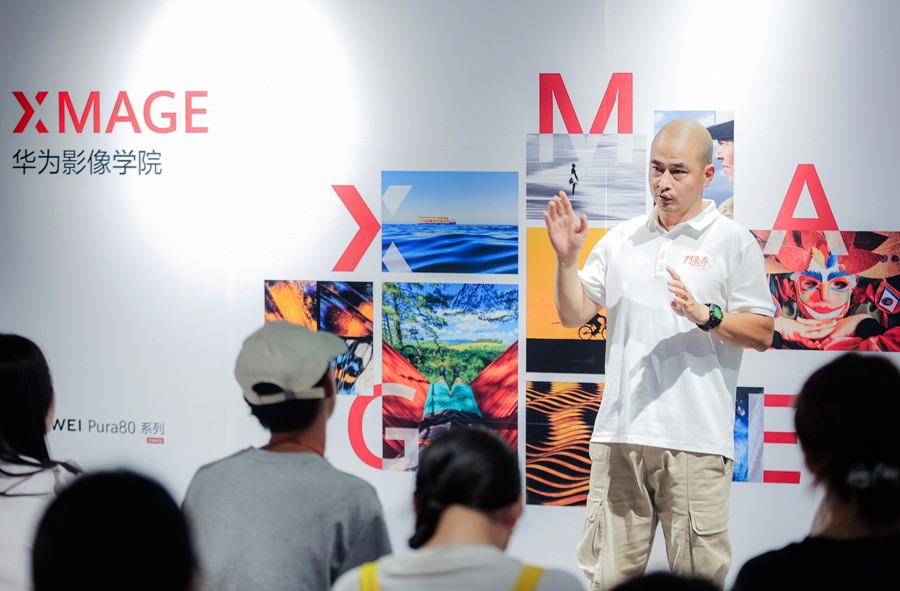
“An exhibition isn't just about ‘seeing,’ but also about ‘understanding.’” On opening day, the “Huawei Imaging Academy” launched simultaneously. Professional photographers were invited to teach foundational photography skills on-site, making artistic education accessible to all.
Reportedly, this photography exhibition will run for two months and remain free to the public. During this period, activities such as photography sharing sessions and themed creative contests will be held. Through innovative formats, grassroots outreach, and cross-industry collaborations, photographic art is increasingly integrating into everyday life, becoming a vibrant medium for showcasing the spirit of the times and fostering cultural consensus.